

Eggs are one of the most loved and widely used ingredients in every kitchen. From a quick breakfast omelette to baking your favorite cake, eggs play a role in so many dishes. But have you ever paused and wondered, how fresh are the eggs you’re using?
Freshness in eggs is not just about taste, it affects texture, nutrition, and most importantly, safety. A fresh egg gives you a rich flavor, better cooking results, and more nutrients. On the other hand, an old egg can ruin your dish and may even be unsafe to eat.
The good news is that checking egg freshness is simple. With a few easy tricks and a little awareness, you can always make sure you’re using the best eggs.
Let’s break it down in a simple and practical way.
What Does “Fresh Egg” Actually Mean?
A fresh egg is one that has been recently laid and stored properly. But even after an egg is laid, it continues to change over time.
Eggshells have tiny pores that allow air and moisture to pass through. As days go by:
- Moisture inside the egg slowly evaporates
- Air enters the egg, creating an air pocket
- The egg white becomes thinner
- The yolk loses its firmness
This is why freshness matters….the longer the egg sits, the more its quality changes.

Top Signs of a Fres![]() h Egg
h Egg
Knowing whether an egg is fresh doesn’t require any special tools, just a few simple checks you can easily do at home. Let’s walk through them in a way that’s easy to understand and remember.
The Float Test
One of the most common and reliable ways to check egg freshness is the Float test. All you need to do is fill a bowl with water and gently place the egg inside. If the egg sinks to the bottom and lies flat, it’s very fresh. If it stands upright, it means it’s still usable but not as fresh as it should be. And if it floats to the top, it’s best to discard it.
This happens because, over time, air enters the egg through its shell. The more air inside, the lighter the egg becomes, which is why older eggs tend to float.
The Crack Test
Another simple way to judge freshness is by cracking the egg open and observing how it looks. A fresh egg will have a firm, round yolk that sits slightly raised, while the egg white stays thick and closely surrounds it.
On the other hand, if the egg is older, the yolk will appear flatter and weaker, and the white will spread out more, looking thin and watery. This visual difference is one of the most accurate ways to identify freshness.

The Smell Test
Sometimes, the easiest method is also the most effective, just trust your nose. A fresh egg has little to no smell. But if you notice a strong, unpleasant odor, especially something that smells like sulfur or rotten eggs, it’s a clear sign that the egg has gone bad and should not be consumed.
This test is especially helpful when you’re unsure, because spoiled eggs are very easy to detect by smell.
Checking the Shell
Before even cracking the egg, you can learn a lot just by looking at its shell. Fresh eggs usually have a slightly rough or chalky texture and appear clean and intact.
If the shell feels too smooth, looks unusually shiny, or has cracks, it could mean the egg is older
or has been poorly handled. While this alone isn’t a final test, it’s a good first indicator.
Observing the Yolk
While yolk color doesn’t directly tell you how fresh an egg is, it often reflects its quality. A rich yellow or deep orange yolk usually comes from hens that are well-fed and healthy, and it often indicates better nutritional value.
A pale yolk, on the other hand, may suggest lower nutrient quality. While both can be safe to eat, a vibrant yolk often enhances both the taste and visual appeal of your dish.
Why Fresh Eggs Matter So Much
Using fresh eggs is not just about preference, it has real benefits.
1. Better Taste
Fresh eggs have a richer, creamier flavor that enhances any dish, whether it’s scrambled eggs or desserts.
2. Better Cooking Results
Fresh eggs hold their shape better, making them perfect for:
- Frying
- Poaching
- Baking
Older eggs tend to spread out and don’t give the same texture.
3. Higher Nutritional Value
Fresh eggs retain their vitamins and nutrients better, especially:
- Protein
- Healthy fats
- Vitamins like B12 and D
4. Safer to Eat
Older eggs, if not stored properly, have a higher chance of bacterial growth. Fresh eggs reduce that risk significantly.
You can also read: https://www.eggoz.com/blogs/egg-facts/how-hen-feed-impacts-egg-quality
How to Store Eggs Properly to Keep Them Fresh
Even the freshest eggs can lose quality if not stored correctly.
Here are some simple tips:
- Always store eggs in the refrigerator
- Keep them in their original carton (protects from odor absorption)
- Avoid storing eggs in the fridge door (temperature fluctuates)
- Do not wash eggs before storing (it removes natural protection)
- Wash only right before use
Good storage can extend freshness for up to 3–5 weeks.

You can also read: https://www.eggoz.com/blogs/egg-facts/where-should-eggs-be-stored-in-summer-6-effective-ways?
Conclusion
By now, it’s clear that fresh eggs make a huge difference, in taste, nutrition, and safety. Knowing how to test freshness at home is useful, but the real game-changer is choosing eggs that are fresh from the start.
That’s where Eggoz eggs truly stand out.
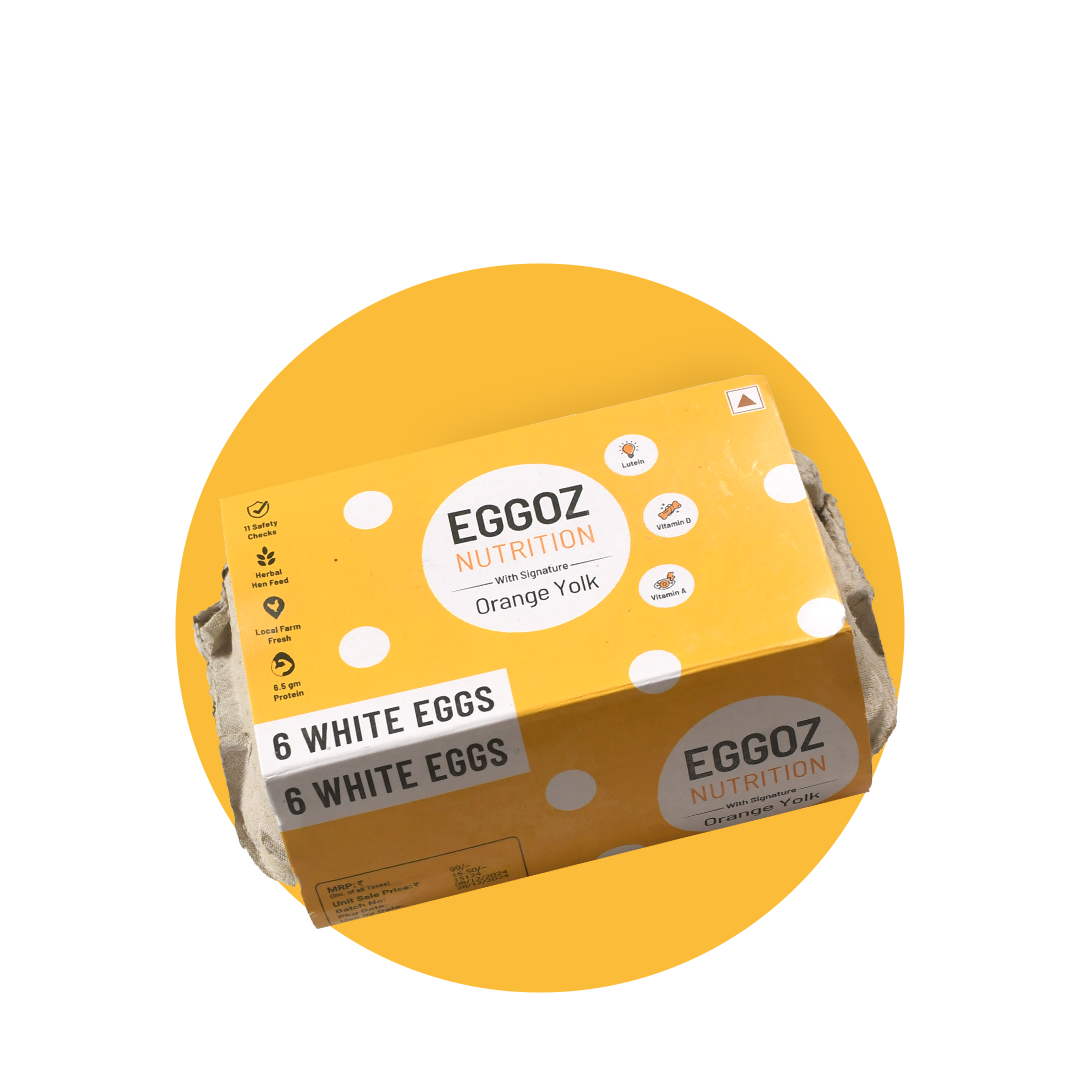
Eggoz eggs come from hens that are fed a herbal, vegetarian diet, which naturally enhances the quality of the eggs. Each egg goes through 11 rigorous safety and quality checks before it reaches your home ensuring that what you eat is clean, safe, and reliable.
And when you crack open an Eggoz egg, the rich, deep orange yolk instantly tells you the difference. It’s not just about how it looks, it reflects better nutrition and superior care.
Because when it comes to eggs, freshness isn’t something you should guess it’s something you should trust.
FAQs
1. How long do eggs stay fresh in the fridge?
Eggs can stay fresh for about 3–5 weeks when stored properly.
2. Can I eat eggs after the expiry date?
Sometimes yes — but only if they pass the smell and crack test.
3. Why do eggs smell bad when spoiled?
Because of sulfur compounds released as the egg breaks down.
4. Should I wash eggs before storing them?
No, washing removes the protective layer. Wash only before use.
5. Are runny eggs safe?
Only if the eggs are fresh and properly handled. During pregnancy, fully cooked eggs are recommended.
