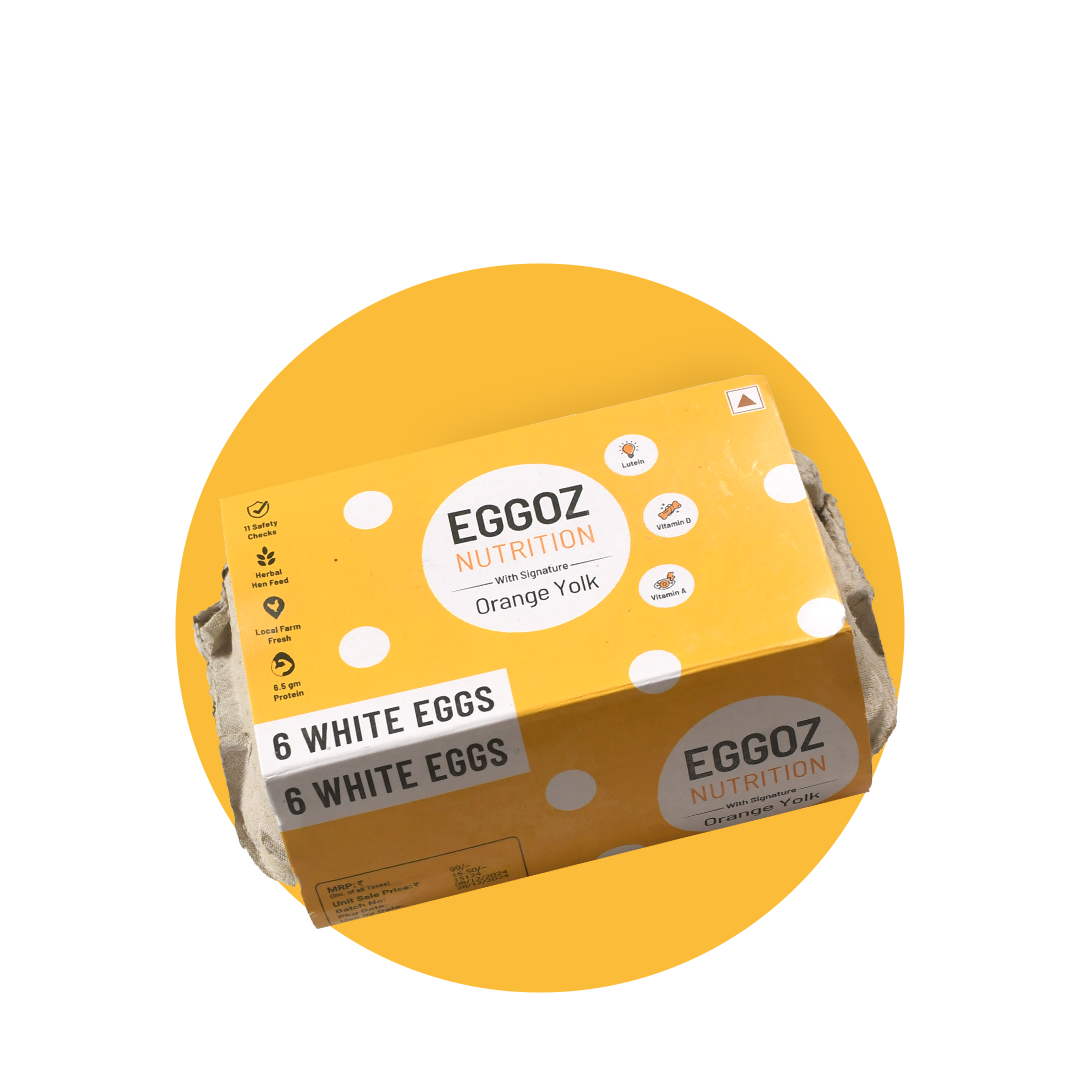


Eggs are one of the most nutritious foods you can eat, but few people know that every fresh egg has a natural protective layer called the egg cuticle or egg bloom. This thin, invisible coating forms on the shell just before the egg is laid and acts as the egg's first line of defense. It helps seal the shell's tiny pores, reducing moisture loss and slowing the entry of bacteria.
This natural barrier becomes even more important during summer. Higher temperatures and humidity can accelerate bacterial growth and affect egg quality if eggs are not handled and stored correctly. Understanding the egg cuticle can help you make better choices to keep eggs fresh and safe.
What is the Egg Cuticle?

The egg cuticle is a thin, transparent, protein-rich coating that covers the outer surface of the eggshell. Although the shell looks solid, it contains thousands of microscopic pores that allow gases like oxygen and carbon dioxide to pass through. Without protection, these pores can also allow moisture and microorganisms to enter the egg.
The cuticle naturally plugs many of these pores, helping reduce bacterial contamination and slowing moisture loss. In simple terms, it acts like a protective shield that preserves the egg's freshness from the moment it is laid.
However, the cuticle is not permanent. It is most effective soon after the egg is laid, and its protective ability gradually declines as the egg ages and the coating dries. This makes proper handling and storage essential, especially during warmer months.
Why Does the Egg Cuticle Matter More in Summer?

Summer creates conditions that make eggs more vulnerable to spoilage. High temperatures encourage bacteria to multiply faster, while heat can also speed up moisture loss from the egg. If eggs experience repeated temperature changes, such as being moved between refrigeration and room temperature, condensation can form on the shell. When the cuticle has been damaged, this moisture may increase the risk of bacteria entering through the shell's pores.
This is why the egg cuticle plays an especially important role during hot weather. It provides an additional layer of protection against contamination, but it cannot prevent spoilage on its own. Safe handling, refrigeration, and maintaining a consistent storage temperature are equally important for preserving egg quality.
Also Read: https://www.eggoz.com/blogs/lifestyle/how-long-do-eggs-last-in-hot-weather
It's also worth noting that egg handling practices vary around the world. In countries like the United States, commercial eggs are washed and refrigerated before sale because washing removes much of the natural cuticle. In many European countries, eggs are sold unwashed, allowing the cuticle to remain intact. Regardless of the production system, following local food safety recommendations is the best way to store eggs safely.
How Can You Protect Egg Quality During Hot Weather?

While the egg cuticle provides natural protection, proper storage and handling play an equally important role in maintaining freshness during summer. Here are some practical tips:
- Refrigerate eggs promptly. Store eggs in the refrigerator as soon as possible after purchase to slow bacterial growth.
- Maintain a consistent temperature. Avoid frequently moving eggs between the fridge and room temperature, as repeated temperature changes can lead to condensation.
- Store eggs in their original carton. The carton helps protect eggs from physical damage, reduces moisture loss, and limits odor absorption from other foods.
- Avoid washing eggs before storage. Unless your local food safety system recommends otherwise, washing can damage or remove the natural cuticle. If needed, wash eggs just before cooking.
- Inspect eggs for cracks. Cracked shells make it easier for bacteria to enter, so damaged eggs should be used immediately if safe or discarded.
- Buy eggs from trusted sources. Eggs produced under strict hygiene, collection, and cold-chain practices are more likely to retain their quality and freshness.
These simple habits work together with the egg's natural cuticle to keep eggs safe, fresh, and nutritious throughout the summer.
Conclusion
The egg cuticle may be invisible, but it is one of nature's smartest ways of protecting a fresh egg. By sealing many of the shell's microscopic pores, it helps reduce moisture loss and slows the entry of bacteria, supporting both freshness and food safety.
Its role becomes even more important during summer, when heat and humidity create conditions that can accelerate spoilage. Although the cuticle offers valuable natural protection, it works best when combined with proper refrigeration, careful handling, and good storage practices.
Understanding how the egg cuticle functions helps you appreciate why fresh eggs should be handled with care. Whether you're buying eggs for daily breakfasts or meal prep, preserving their natural protection and storing them correctly can go a long way in maintaining their quality all year round.
Frequently Asked Questions (FAQs)
Is the egg cooling or heaty?
Eggs are not heaty. This is a common myth. Scientific evidence shows eggs do not raise core body temperature. Summer discomfort is usually linked to dehydration, cooking methods, or spoiled food; not eggs.
Can cracked eggs be stored safely?
No, it is better to use them immediately only if safe, or discard it. This is because cracked eggs are higher risk because bacteria can enter more easily.
Why is the egg cuticle more important during summer?
Summer heat and humidity create ideal conditions for bacterial growth and faster quality loss. The egg cuticle provides an extra protective barrier, making proper storage even more important.
How should eggs be stored during hot weather?
Store eggs in the refrigerator at a consistent temperature. It is better to keep them in their original carton, and avoid repeated temperature changes as it can cause condensation.
