

Picture this: it's a sticky July morning, you're craving a fluffy omelette, and you crack an egg into the pan only to be hit with a smell so foul it could peel paint off the wall. Congratulations, you've just met one of summer's sneakiest kitchen villains, the rotten egg. Eggs in summers are quiet little time bombs. They don't wear a countdown clock, they don't beep when they're about to expire, and they definitely don't send you a text warning "hey, I'm past my prime." Instead, they just sit in your fridge (or worse, your countertop) looking perfectly innocent while bacteria throw a party inside the shell.
The good news? Your eggs are not nearly as mysterious as they seem. With a few simple checks, most of which take less than 30 seconds, you can tell whether that egg belongs in your breakfast or your bin. And since summer heat speeds up spoilage dramatically, this is exactly the season to get good at spotting the warning signs. Let's crack this open (pun very much intended).
Why Summer Turns Eggs Into a Ticking Clock
 Bacteria like Salmonella thrive in what food safety experts call the "danger zone", temperatures between 40°F and 140°F, and they multiply fastest as things heat up. That's exactly what happens on a warm kitchen counter or in a hot car during summer. Experts note that eggs spoil noticeably faster on muggy, hot days, which is part of why food safety guidelines get stricter once the temperature climbs above 90°F.
In fact, food safety guidance recommends refrigerating eggs within two hours of bringing them home, or within just one hour if the outside temperature is 90°F or higher, according to UMN Extension's egg safety guidance. Leave a carton in a hot car during a summer grocery run, and you may be unknowingly giving bacteria a five-star breeding ground.
The same two-hour (or one-hour, if it's above 90°F) rule applies to cooked egg dishes like deviled eggs, quiche, or potato salad at summer barbecues and picnics, per WellMed's summer food safety guide. Bottom line: in summer, eggs need extra love and a colder home.
Signs Your Eggs Have Gone Bad
1. The Sniff Test
This is the fastest and most reliable test in the book. Crack the egg onto a clean plate (never directly into your batter, a bad egg can ruin an entire recipe) and give it a sniff. A fresh egg smells like, well, nothing much at all. A spoiled one smells sharply of sulfur, gas, or sourness, an odor that's impossible to miss and just as impossible to ignore, according to Healthline. If you catch even a whiff of "rotten," toss it immediately and wash the plate with hot, soapy water before trying another egg.
2. Look at the Color and Texture
Fresh egg whites are clear to slightly cloudy, and the yolk sits round and firm. If you notice a greenish, pink, or iridescent tint in the white or yolk, that's a red flag for bacterial contamination, most commonly from Pseudomonas bacteria. Watery, flat, or runny whites and yolks are also signs the egg is aging, even if it hasn't crossed fully into "unsafe" territory yet.
3. The Float Test
Fill a bowl with water and gently drop the egg in. A fresh egg sinks and lies flat on its side. An aging egg stands up on one end, while a truly old or bad egg floats to the surface, a sign that a large air pocket has formed inside as moisture and gases escaped through the shell over time. Worth noting: this test isn't scientifically foolproof and isn't officially endorsed by the USDA, so pair it with a sniff test before making the final call.
4. The Shake Test
Hold the egg near your ear and shake it gently. A fresh egg makes little to no sound because the contents are firm and tightly packed. If you hear liquid sloshing around, the whites and yolk have thinned out with age, a sign it's time to use the egg immediately (for baking or hard-boiling) or skip it altogether.
5. Inspect the Shell
Cracks, sliminess, or a powdery residue on the shell are all warning signs of bacterial or mold contamination. Also watch for gray or blackish spots and rings visible right through the shell, a clear signal something has gone wrong inside before you even crack it open.
Decoding Those Confusing Carton Dates
"Best if used by," "sell by," and "use by" dates often get treated like expiration dates, but per the FDA's egg safety guidance, these labels are mostly about peak quality and flavor, not a hard safety cutoff. There's no single nationwide standard for these labels, which is exactly why so many of us end up staring at a carton, unsure whether to trust it or toss it.
For a more precise read, look for the pack date, a three-digit Julian code on USDA-graded cartons showing the exact day of the year the eggs were packed. As a general rule, eggs stay good for 3 to 5 weeks past that date when properly refrigerated, according to Better Homes & Gardens' Test Kitchen. Past that window, don't rely on the date alone, let your senses do the final check.
Smart Summer Storage Tips
- Refrigerate at 40°F or below, ideally in the main body of the fridge rather than the door, which stays warmest.
- Keep eggs in their original carton, it protects them from absorbing fridge odors and slows moisture loss.
- Refrigerate groceries within 1 hour if it's 90°F or hotter outside, and never leave eggs sitting in a hot car.
- Follow the 2-hour rule (1 hour above 90°F) for egg-based dishes like deviled eggs or potato salad at picnics and barbecues.
- When in doubt, cook eggs thoroughly until whites and yolks are firm, heat kills Salmonella even if it's present.
You can also read: https://www.eggoz.com/blogs/lifestyle/what-makes-an-egg-fresh-signs-you-should-know
Conclusion
At the end of the day, eggs are wonderfully resilient, sturdy little packages of protein that can survive weeks in your fridge without complaint. But summer heat is their one true weakness, turning a perfectly good breakfast staple into a gamble in a matter of hours. So the next time the mercury rises, treat your eggs like the VIPs they are: keep them cold, keep them covered, and trust your nose over the date stamp. Because whether you're scrambling, poaching, or baking, the best eggs are the ones that never had a chance to go rogue in the summer heat.
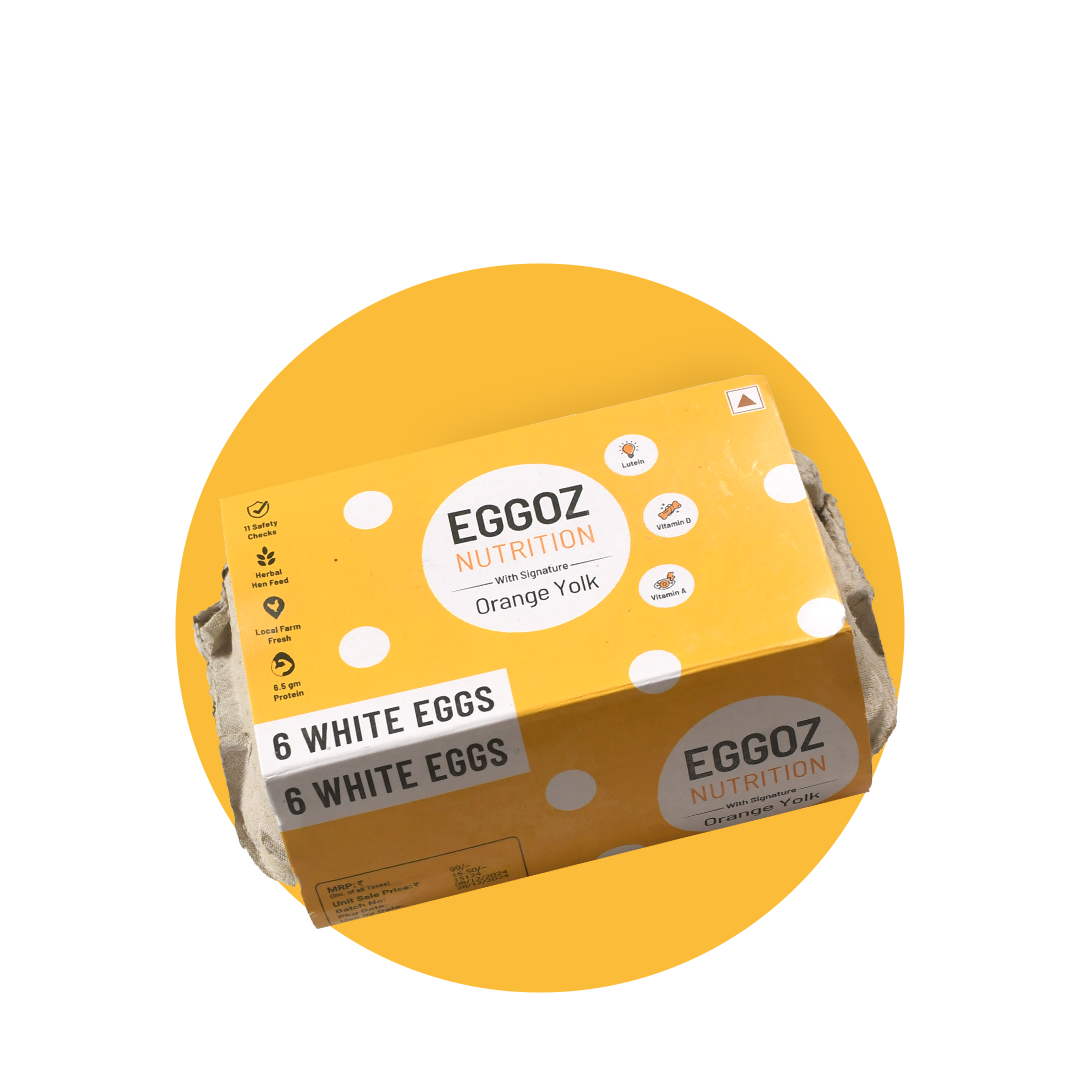
And when it comes to choosing eggs you can trust, Eggoz makes it simple. From carefully managed farms to 11 strict safety and quality checks, every egg is handled with care before it reaches your kitchen. So, keep your eggs cool, choose them wisely, and let every meal begin with the freshness and quality of Eggoz.
FAQs About Bad Eggs
Q1: Can I still eat an egg after the "best by" date?
Usually yes, as long as it passes the smell and appearance checks. The "best by" date reflects peak quality, not a hard safety deadline.
Q2: Is a floating egg always bad?
Not necessarily bad, but definitely older, a floating egg has a larger air cell from moisture loss over time. Combine the float test with a sniff test before deciding whether to use it.
Q3: Does a greenish yolk on a hard-boiled egg mean it's spoiled?
No, a greenish-gray ring around an overcooked hard-boiled yolk is just a harmless chemical reaction from cooking, not a sign of spoilage.
Q4: How much faster do eggs spoil in summer heat?
Bacteria multiply rapidly in the 40°F–140°F "danger zone," and warmer summer temperatures push eggs into that zone far more easily, especially if left unrefrigerated for even an hour or two.
Q5: What's a red or blood spot in an egg, is it bad?
A small blood spot is just a minor, harmless rupture of a blood vessel during egg formation. It's completely safe to eat and has nothing to do with spoilage.
Q6: How long can deviled eggs or egg salad sit out at a summer party?
No more than 2 hours at room temperature, or just 1 hour if it's 90°F or hotter outside. After that, bacteria can multiply to unsafe levels.
