

Every mother wants to give her child the best possible start in life, physically, mentally, and emotionally. During pregnancy and the early years, one of the most important decisions you make every single day revolves around nutrition. What you eat directly shapes your baby’s growth, immunity, and long-term development. Among all the superfoods recommended for expecting mothers and young children, eggs remain one of the simplest, most nutritious, and most accessible options.
But here’s the part many people overlook: not all eggs are equal. The nutrition your baby receives from an egg depends largely on the quality of the egg itself, how the hen was raised, what she ate, and the safety standards followed. Your choice of eggs can genuinely influence your baby’s brain development, immunity, bone strength, and overall health.
This blog breaks down exactly how egg quality affects your baby and why choosing the right egg matters more than you may think.
Why Are Eggs a Vital Food for Pregnancy and Baby Growth?
Eggs have always been known as nature’s “complete food.” They are rich in high-quality protein, healthy fats, vitamins, minerals, and antioxidants, all essential for your baby’s development. But what makes eggs especially valuable during pregnancy is their nutrient density.
Eggs provide choline, a nutrient crucial for brain development, memory formation, and the proper functioning of the central nervous system. Very few foods contain choline naturally, and a single egg gives nearly one-third of the daily requirement for pregnant women. For babies, choline supports cognitive development during the early years when the brain is growing rapidly.
Eggs also contain essential fats that nourish the brain, build cell membranes, and support healthy hormone development. This makes them perfectly aligned with the nutritional needs of both mother and baby.

The Key Nutrients in Eggs That Impact Your Baby
Here are the most important nutrients in eggs and how they support your baby’s growth:
Choline
- Crucial for your baby’s brain development
- Supports memory, learning ability, and cognitive function
-
Reduces risk of neural tube defects
High-Quality Protein
- Helps in building tissues, muscles, skin, and organs
- Supports a baby’s rapid early growth
-
Aids in postpartum recovery for mothers
Omega-3 Fatty Acids
- Supports brain and retina development
- Improves cognitive abilities
-
Beneficial for a child’s early learning stages
Vitamin D
- Helps in bone strengthening and calcium absorption
-
Boosts immunity for both mother and child
Iron & Folate
- Prevents anaemia
- Supports oxygen transport to the baby
-
Helps in healthy cell formation
Antioxidants (Lutein & Zeaxanthin)
-
Protect your baby’s eyes
-
Support early vision development
-
Strengthen immunity
These nutrients work together to support the growth of the brain, bones, immunity, and overall strength, making eggs a must-have food in pregnancy and early childhood nutrition.
Why Does Egg Quality Matter More Than You Think?
During pregnancy, the nutrients a mother consumes act as the building blocks for the baby’s body. Every organ, bone, muscle, and brain cell develops using the nutrition supplied through the mother’s diet. When the eggs consumed are high in quality and rich in essential nutrients, the benefits multiply for the baby.
High-quality eggs support the baby’s brain development with extra choline and Omega-3 fatty acids. They improve immunity, reduce developmental risks, and enhance the baby’s cell growth. For toddlers, nutrient-dense eggs contribute to sharper memory, better attention span, steady growth, and improved energy levels. The purity and safety of the eggs also matter because babies have delicate immune systems that respond very strongly to contaminants or chemicals. Choosing eggs with proper safety checks ensures that what reaches your baby is clean, safe, and nourishing.

How to Introduce Eggs to Babies Safely?
Introducing eggs into a baby’s diet should be done carefully and gradually. Most pediatricians recommend introducing eggs around 6–9 months of age. Begin by offering the mashed yolk since it is softer, more nutritious, and easier to digest. Once your baby adapts, you can gradually introduce the egg whites while monitoring for allergies.
Soft-boiled and mashed forms are best for the early months. As your baby grows, you can incorporate scrambled eggs, omelettes, and small pieces of boiled eggs into their meals. The goal is to make eggs a regular part of their diet because consistency ensures steady nutrition.

You can also read: https://www.eggoz.com/blogs/lifestyle/how-many-eggs-can-you-eat-during-pregnancy
Conclusion
At a time when mothers are overwhelmed with choices, what to eat, what to avoid, what is safe, sometimes the simplest food turns out to be the most powerful. Eggs are one of those rare foods that offer complete nourishment. But choosing clean, safe, nutrient-rich eggs with orange yolks is what truly unlocks their full potential.
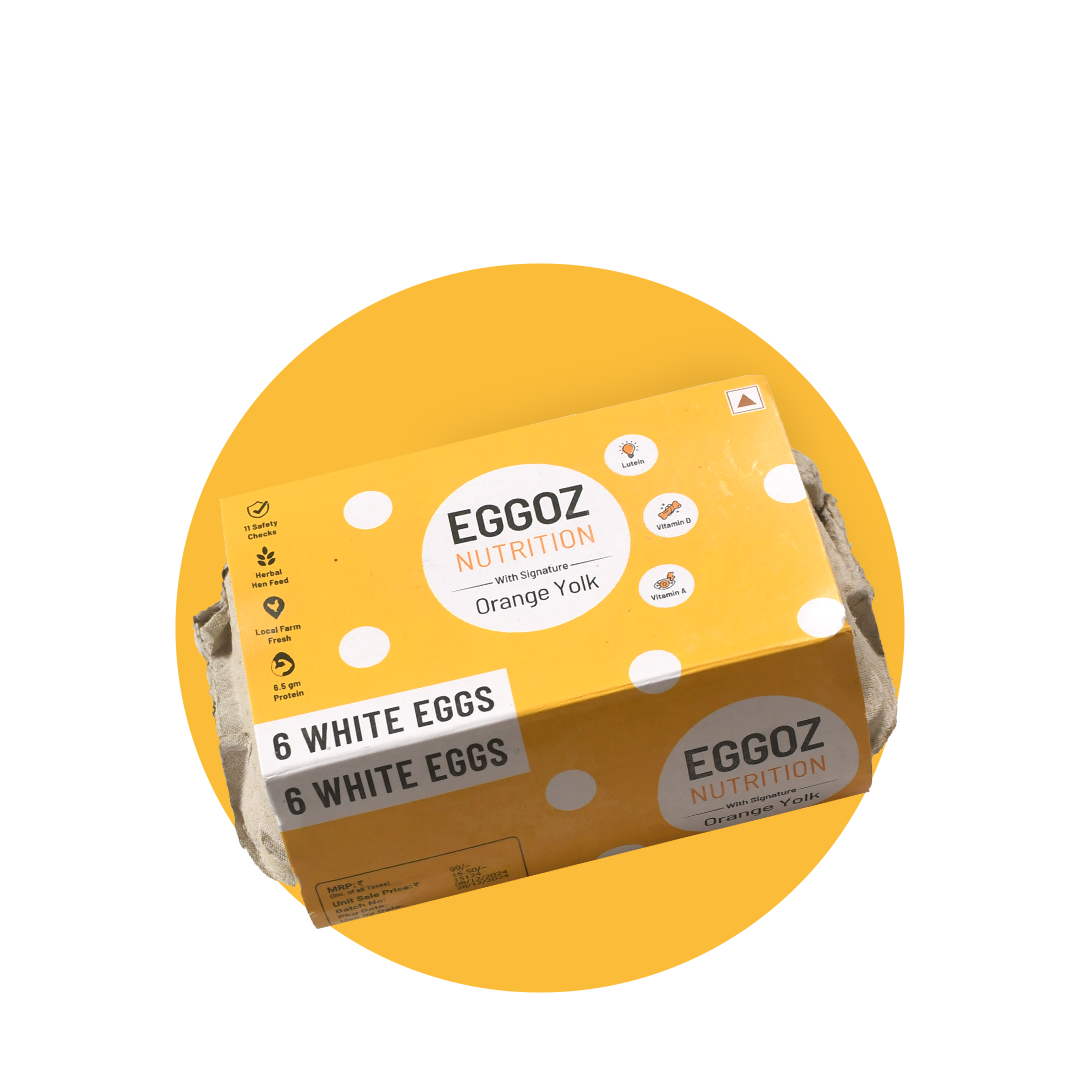
And there comes our Eggoz eggs that come from hens fed herbal feed, raised in safe, stress-free environments, and monitored through multiple quality checks. When you choose Eggoz, you aren’t just choosing any food, you’re choosing better brain development, immunity, and long-term health for your baby.
Your baby deserves the purest and most nutritious start. And sometimes, that journey begins with choosing the right egg.
FAQs
1. Are eggs safe during pregnancy?
Yes, eggs are safe and extremely beneficial during pregnancy when properly cooked and sourced from safe, high-quality farms.
2. How many eggs can a pregnant woman eat daily?
Most experts recommend 1–2 eggs per day unless a doctor advises otherwise.
3. Why is yolk colour important?
A rich orange yolk indicates higher nutrient content, especially antioxidants, vitamin A, choline, and Omega-3s.
4. When can babies start eating eggs?
Babies can typically begin eggs around 6–9 months after consulting with a paediatrician.
5. Are brown eggs healthier than white eggs?
No. The shell colour doesn’t affect nutrition; the hen’s diet does.
