

Picture this: it's a blazing June afternoon, the fan is on full speed, and you crack open an egg for your evening omelette. The yolk looks a little paler than usual. Your inner food-detective wakes up and whispers, “Wait… is this egg even good for me anymore?”
Welcome to one of the most searched (and most misunderstood) food questions of the season: are summer eggs less nutritious? Spoiler alert, the answer isn't a simple yes or no. It's a fascinating little detective story involving heat-stressed hens, thirsty chickens, and some genuinely science-backed changes happening inside that eggshell. Grab your chai (iced, obviously), and let's crack this mystery open together.
What Actually Happens to Eggs in Summer?
 Here's the twist: it's not the egg that struggles in the heat, it's the hen. Chickens don't sweat. Their only real cooling trick is panting, which burns energy and steals their appetite. And when a hen eats less, she has fewer raw materials (protein, calcium, beta-carotene) to build a top-quality egg.
Researchers have measured this quite precisely. In one controlled study, hens exposed to severe heat stress at 33°C saw their feed intake drop by around 30% and their egg production rate fall by about 11%, compared to hens kept in comfortable, thermoneutral conditions.
Another commonly cited figure from poultry science is even more dramatic: for every 1°C rise in temperature between 32–38°C, hens can eat about 5% less feed. Multiply that across a full Indian summer, and it's easy to see why the humble egg gets a seasonal glow-up in nutrition headlines.
You can also read: https://www.eggoz.com/blogs/lifestyle/does-eating-eggs-in-summer-cause-acne
The Real Changes You Might Notice
1. Paler Yolks
 A hen eating less also consumes less beta-carotene, the pigment responsible for that gorgeous deep-orange yolk. Less beta-carotene in her diet often means a paler yolk on your plate. It's a cosmetic change more than a nutritional catastrophe, but it is a genuine, measurable one.
2. Thinner, More Fragile Shells
Heat stress reduces how efficiently a hen absorbs calcium, which is the building block of eggshell. That's why summer eggs are statistically more likely to have thinner, weaker shells, so treat them a little more gently on the way from market to fridge.
3. A Touch Less “Quality” on Paper
Scientific egg-quality scores: things like yolk colour, shell thickness and strength, and something called the Haugh unit (which measures how firm and fresh the egg white is), all tend to dip slightly under severe heat stress. Extreme, prolonged heat can also modestly affect immune-related proteins in the egg, which researchers link to a small dip in overall nutritional value under intense conditions.
You can also read: https://www.eggoz.com/blogs/lifestyle/how-long-do-eggs-last-in-hot-weather
Here's the Reassuring Part
Before you panic and swear off your favourite protein source, take a breath. The changes documented by researchers are mostly about egg size, shell strength, and yolk colour, not a dramatic collapse in protein, vitamins, or overall nutrition. Eggs in summer is still an excellent source of high-quality protein, choline, vitamin D, and healthy fats. Think of it less as “nutritionally damaged” and more as “a little less picture-perfect” during the hottest months.
The good news is that well-managed poultry farms already know this. With better ventilation, cooler housing, electrolyte-rich water, and smartly reformulated feed, hens can be kept comfortable enough that the heat barely touches egg quality at all. This is exactly why how a farm manages summer heat matters just as much as the season itself.
How to Pick the Best Eggs This Summer
- Buy from a source that controls freshness closely, the sooner an egg reaches you after being laid, the better it holds up.
- Check the shell for cracks before buying; summer shells are naturally more delicate.
- Refrigerate promptly. Heat speeds up moisture loss and quality decline once the egg leaves the farm too.
- Don't judge an egg purely by yolk colour, a paler yolk in summer doesn't automatically mean lower quality feed.
Conclusion
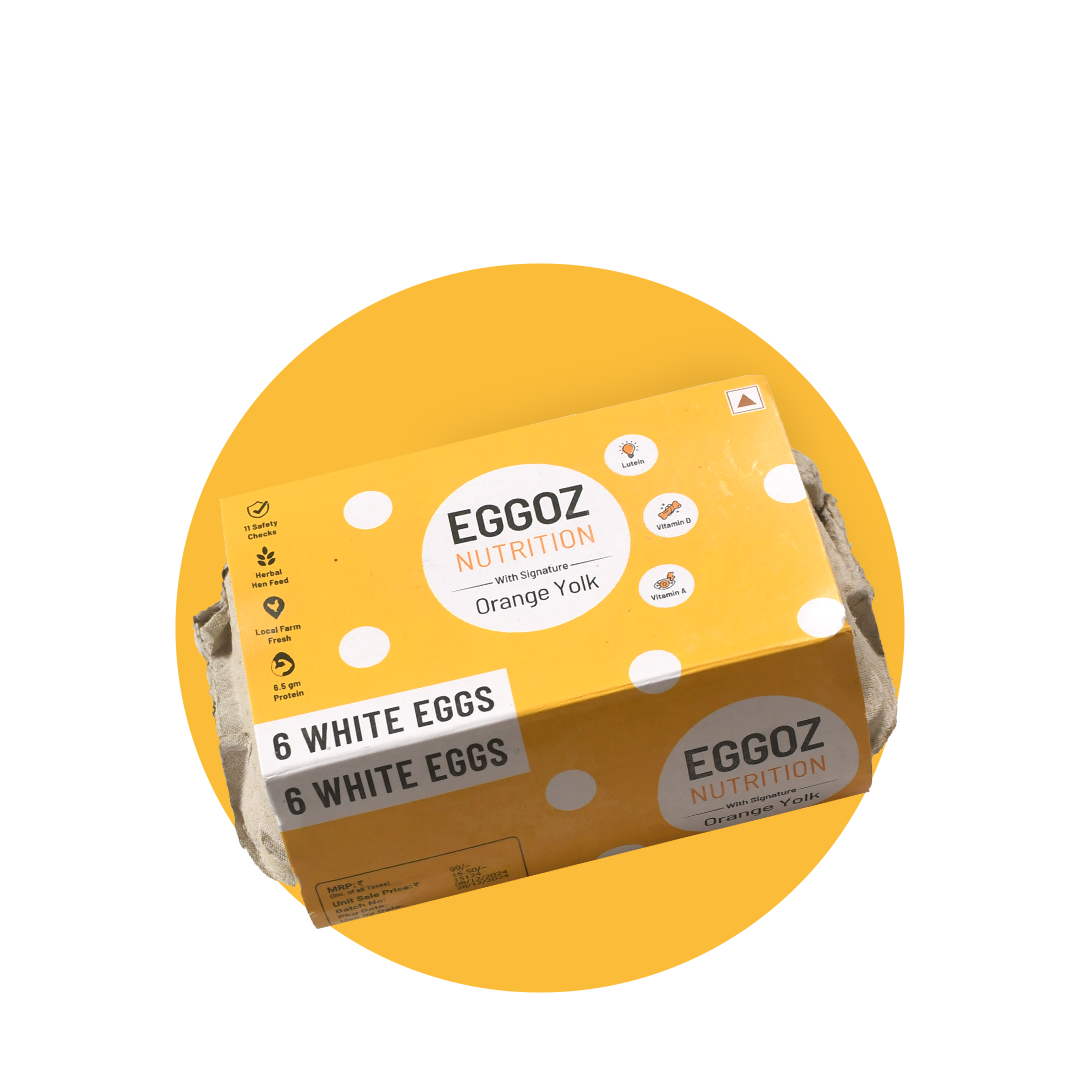
This is exactly the kind of problem that a farm-to-fork, tech-enabled egg brand is built to solve. Eggoz works directly with its partner farms to keep hens on a herbal, nutrient-dense feed and standardised care practices, the same fundamentals researchers point to as the antidote to summer heat stress. Every batch goes through multiple safety and freshness checks, including grading and quality screening, before it reaches your kitchen.
Freshness is the other half of the equation. Eggoz eggs are designed to reach consumers within one to two days of being laid, far faster than the industry norm of five to seven days, which matters even more in summer, when time and temperature can chip away at egg quality faster than usual.
So the next time the mercury climbs and you're wondering whether your morning omelette is still worth it, the honest answer is: yes, absolutely, especially when you choose eggs that are cared for, tested, and delivered fresh, heatwave or not.
Frequently Asked Questions
Q1. Do summer eggs have less protein than winter eggs?
Not meaningfully. Studies show heat stress mainly affects egg size, shell strength, and yolk colour, not the core protein content. A summer egg remains a strong, reliable protein source.
Q2. Why does the yolk look paler in summer?
Heat-stressed hens eat less overall, including less beta-carotene-rich feed, which is what gives yolks their deep orange colour. A paler yolk is usually a colour change, not a nutrition red flag.
Q3. Are summer eggs less safe to eat?
Safety and nutrition are two different things. As long as eggs are handled hygienically, stored cool, and cooked properly, summer eggs are just as safe to eat as eggs from any other season.
Q4. Why do summer eggshells crack more easily?
Heat reduces a hen's calcium absorption efficiency, which can result in thinner shells. Handle summer eggs a little more gently and refrigerate them promptly.
Q5. Can good farming practices reduce these summer effects?
Yes. Proper ventilation, cooling systems, electrolyte-rich water, and well-formulated feed can significantly minimise heat stress in hens, keeping egg quality close to year-round standards.
Q6. Should I stop eating eggs in summer?
Not at all. Eggs remain one of the most affordable, nutrient-dense foods available all year. Choosing a trusted, quality-checked source is a simple way to enjoy them worry-free, even in peak summer.
