

Pregnancy is a time of careful choices. From the moment a woman finds out she is expecting, nutrition becomes a top priority. Most people know about the importance of iron, calcium, and folic acid during pregnancy. But there is another powerful nutrient that deserves just as much attention, choline.
Choline plays a crucial role in fetal brain development, neural tube formation, and overall growth. Yet, many expecting mothers are unaware of how important it truly is. The good news? One of the richest and most accessible sources of choline is something simple, affordable, and widely loved and that is eggs.
In this blog, we’ll explore what choline is, why it matters during pregnancy, how it supports fetal development, and how including eggs in your daily diet can help give your baby the best possible start in life.

What Is Choline?
Choline is an essential nutrient that supports several important functions in the body. Although the liver produces small amounts, it is not enough, especially during pregnancy when the body’s nutritional demands increase significantly.
Choline plays a key role in:
- Building healthy cell membranes
- Supporting liver function
- Regulating metabolism
- Developing the brain and spinal cord
- Producing acetylcholine (a neurotransmitter important for memory and learning)
During pregnancy, choline becomes even more important because it directly influences the baby’s growth and development.
Why Choline Is Critical During Pregnancy

1. Supports Brain Development
One of the most powerful benefits of choline is its role in fetal brain development. As it produces acetylcholine, a neurotransmitter essential for learning and memory, supports the formation of neural connections and contributes to the structure of brain cells.
The baby’s brain develops rapidly during pregnancy, especially in the first and third trimesters. Adequate choline intake during this time may support better cognitive outcomes and long-term memory function in children.
2. Helps Prevent Neural Tube Defects
Many women are aware that folic acid helps prevent neural tube defects. However, research shows that choline works alongside folate to support proper neural tube closure.
The neural tube forms very early in pregnancy and later develops into the baby’s brain and spinal cord. Sufficient choline intake may help supporting healthy neural tube formation, reducing the risk of developmental complications and strengthening early fetal growth
Choline and folate together form a powerful nutritional partnership during early pregnancy.
3. Supports Placental Function
The placenta acts as the baby’s lifeline. It delivers oxygen and nutrients while removing waste. Choline plays a role in healthy placental blood vessel development, efficient nutrient transport and supporting fetal growth through improved nutrient flow
A well-functioning placenta ensures that the baby receives everything needed for healthy development.
4. May Support Long-Term Cognitive Health
Some studies suggest that adequate choline intake during pregnancy may positively influence the attention span in children, their memory development and overall learning capacity
While research is ongoing, the connection between prenatal choline intake and brain health is promising and significant.
How Much Choline Do Pregnant Women Need?
The recommended daily intake of choline during pregnancy is approximately 450 mg per day.
However, research shows that many pregnant women do not meet this requirement through diet alone. This gap makes it essential to focus on choline-rich foods.
Why Eggs Are One of the Best Sources of Choline
Eggs are considered one of the richest natural sources of choline.
- One large egg contains about 125–150 mg of choline.
- Most of the choline is found in the egg yolk
- Two eggs can provide more than half of the daily requirement for pregnant women
But eggs offer more than just choline. They also provide high-quality protein, vitamin B12, D, Selenium and healthy fats. This combination makes eggs a compact nutritional powerhouse during pregnancy.
Are Eggs Safe During Pregnancy?
Yes, eggs are safe during pregnancy when cooked properly.
To ensure safety:
- Avoid raw or undercooked eggs
- Cook eggs until both the white and yolk are firm
- Store eggs properly in the refrigerator
Fully cooked eggs are nutritious, safe, and beneficial for expecting mothers.
You can also read: https://eggoz.com/blogs/lifestyle/top-5-nutrients-in-eggs-that-every-pregnant-woman-needs

Conclusion
Choline may not always be the headline nutrient of pregnancy, but its impact is powerful and far-reaching. From supporting brain cell formation to aiding neural tube development and strengthening placental health, choline helps build the foundation of your baby’s future.
And when it comes to meeting your daily choline needs in a simple, natural way, eggs stand out as a smart choice. Affordable, versatile, and nutrient-dense, they make it easier for expecting mothers to nourish both themselves and their growing babies.
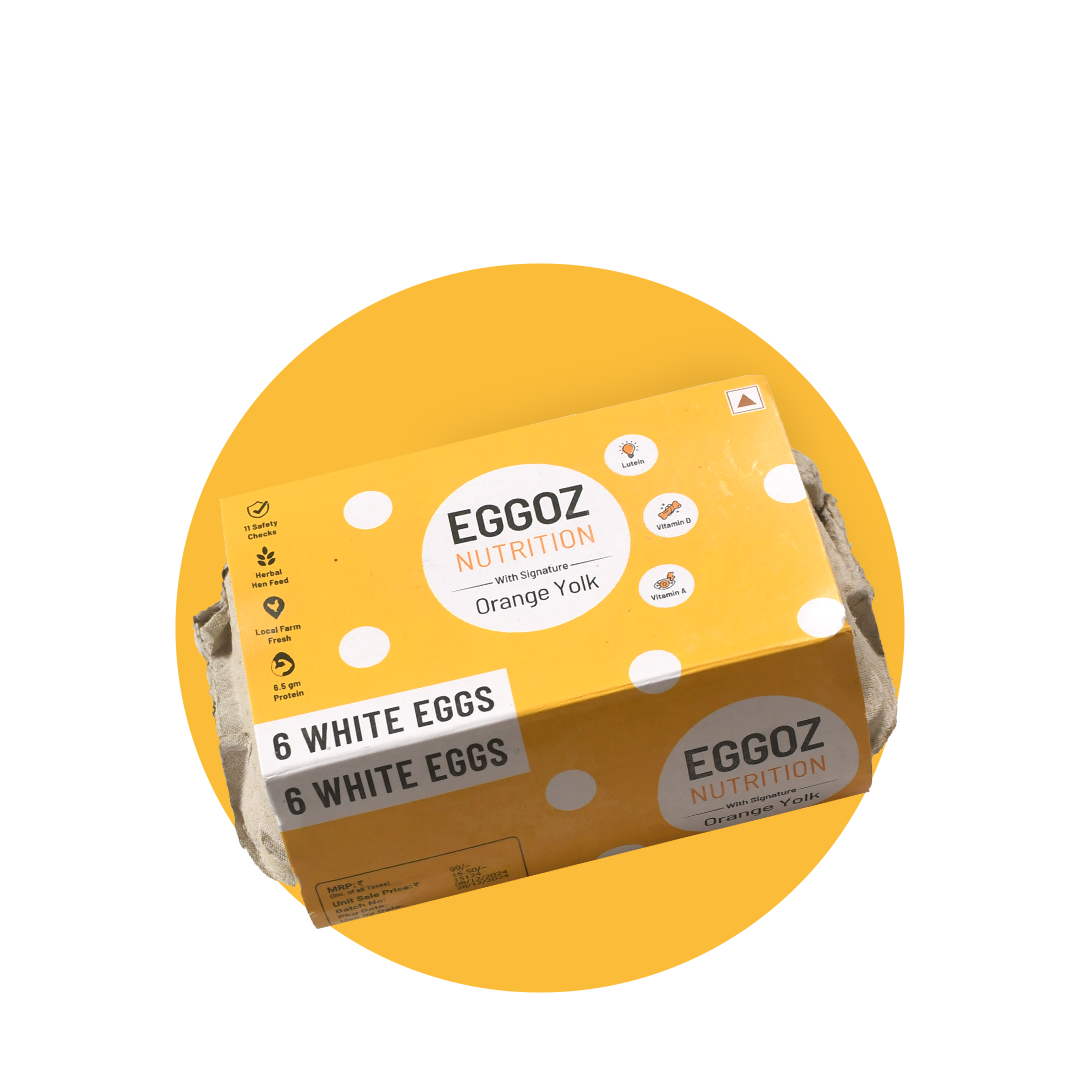
Choosing high-quality eggs makes a real difference and that’s where Eggoz eggs come in the picture. Eggoz hens are fed a herbal vegetarian diet, designed to naturally enhance their nourishment. The eggs go through 11 safety checks before reaching your kitchen, ensuring they are clean, safe, and fresh. And when you crack one open, you’ll notice the rich deep orange yolk, a visual sign of right care and superior quality.
Frequently Asked Questions (FAQs)
1. Is choline really necessary if I take prenatal vitamins?
Many prenatal vitamins contain little or no choline. That’s why dietary sources like eggs are important.
2. Can I meet my choline needs without eggs?
Yes, but it may be harder. Other sources include meat, fish, dairy, and legumes. Eggs are simply one of the most concentrated and convenient options.
3. How many eggs can I eat during pregnancy?
For most healthy women, 1–2 eggs per day is generally safe. Always consult your doctor for individual advice.
4. Does cooking destroy choline?
Normal cooking does not significantly reduce choline content. Properly cooked eggs still retain their nutritional value.
5. What happens if I don’t get enough choline?
Low intake may impact optimal fetal brain and neural development. That’s why consistent intake matters.
